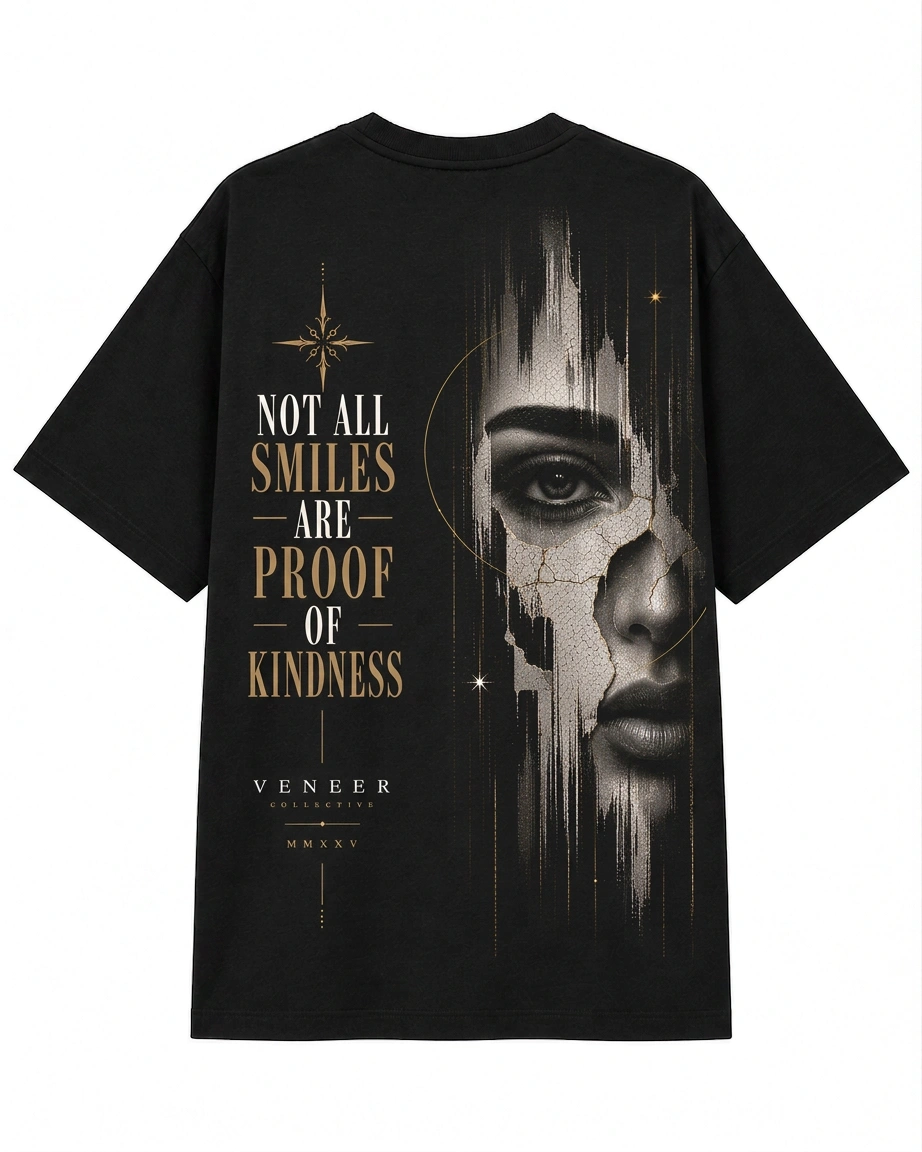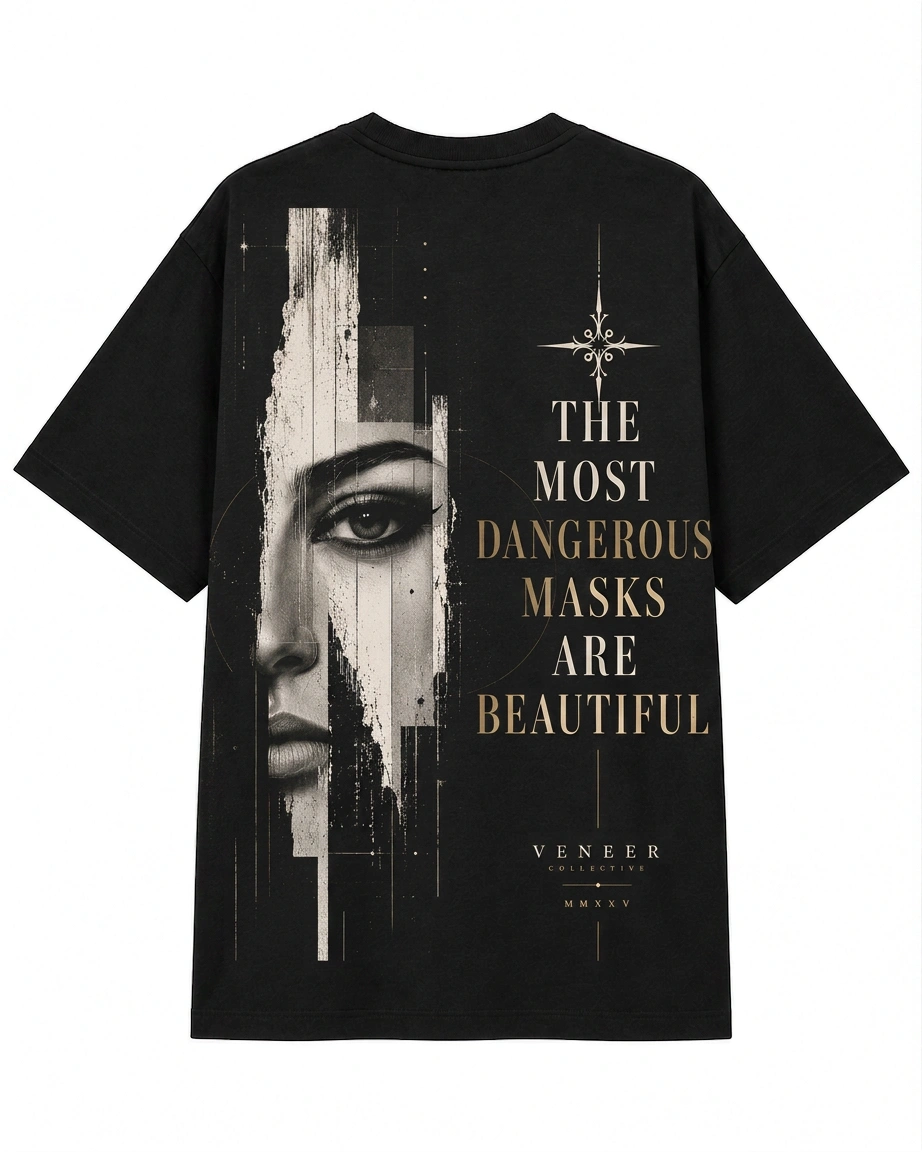
The Beautiful Lie
Can beauty be trusted?
Can beauty be trusted?
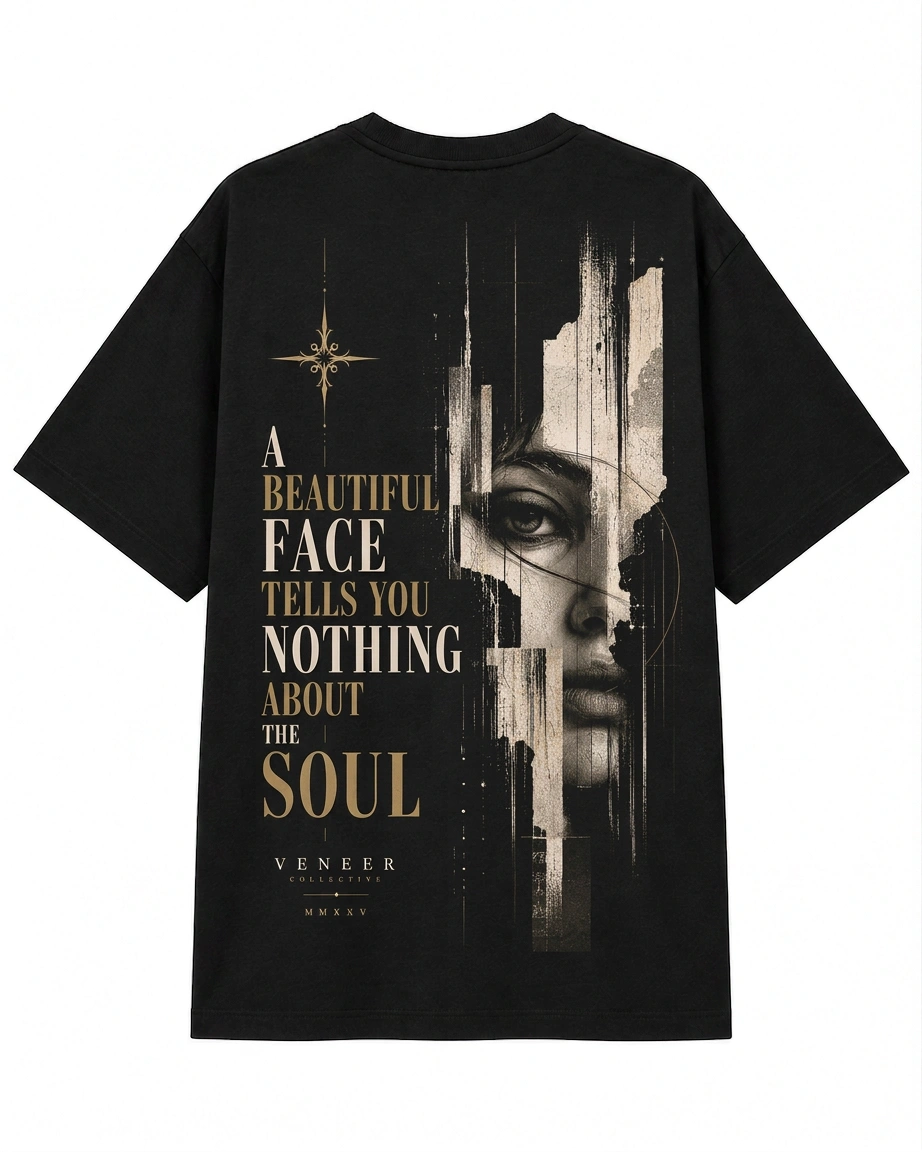
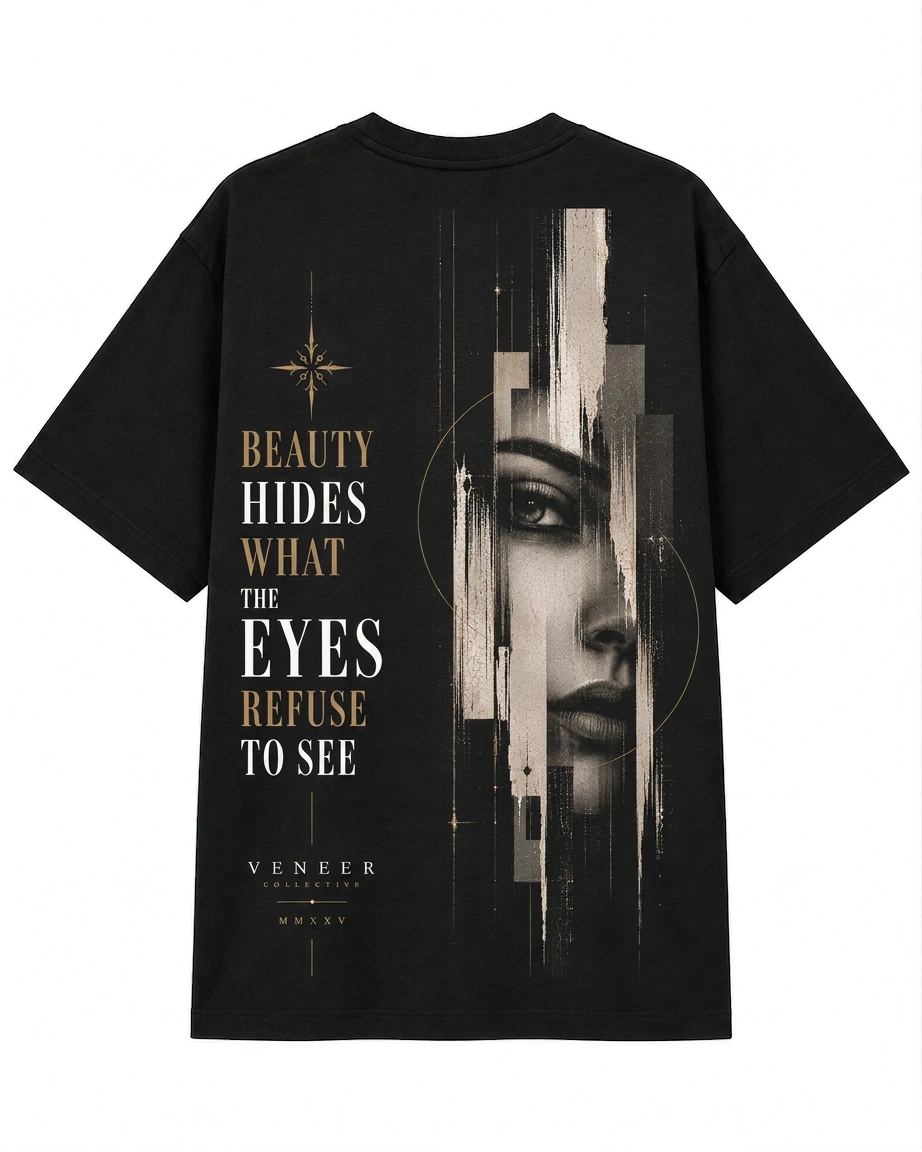
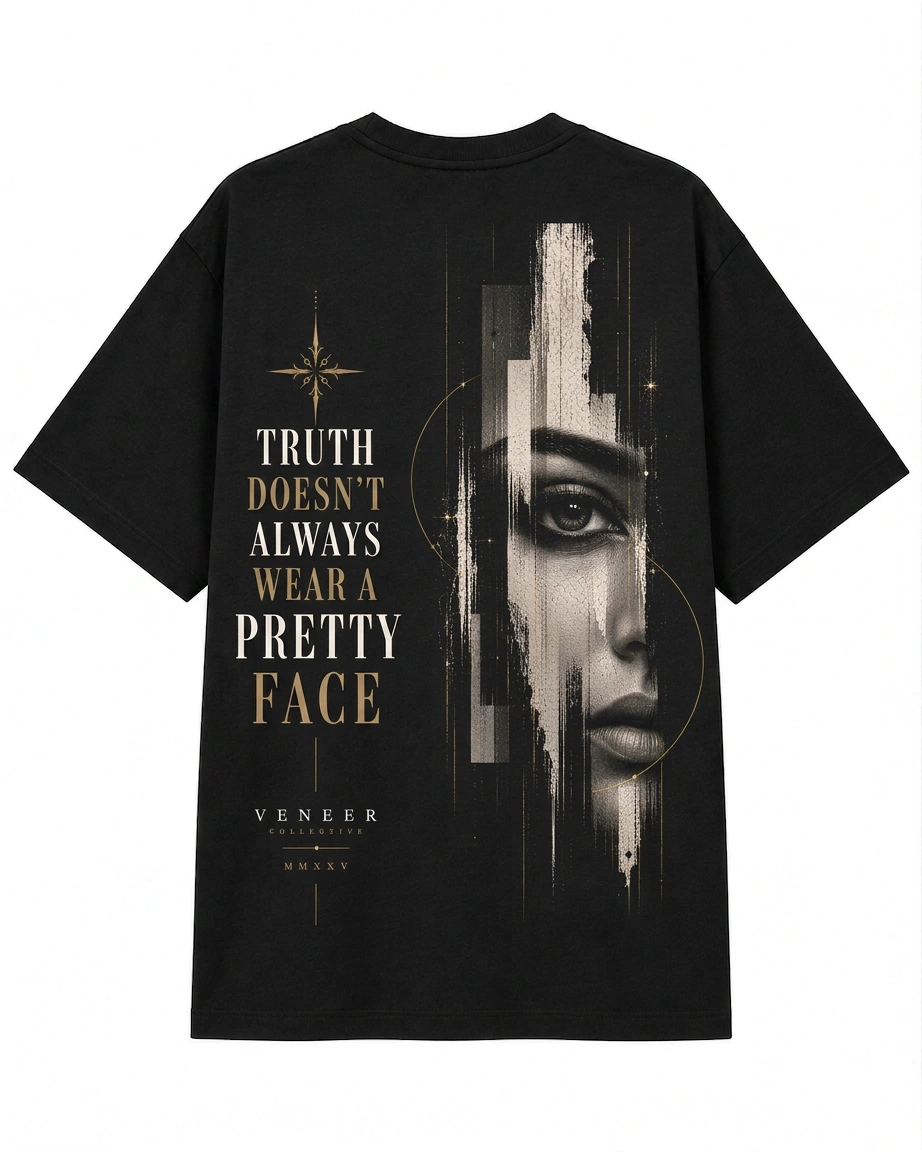
Beauty is one of humanity's oldest forms of persuasion. Long before a person speaks, reveals intention, or earns trust, appearance has already shaped the story we tell ourselves.
We instinctively associate beauty with goodness. We mistake elegance for integrity, calmness for kindness, and innocence for character. It is one of the oldest illusions we inherit, and one of the hardest to question.
Yet appearances have never been reliable witnesses. They reveal a surface, never a history. They capture a moment, never a pattern of choices. What we admire first is often the least important part of who someone truly is.
The Beautiful Lie is not a rejection of beauty. Beauty can inspire, move us, and carry meaning. The danger begins when beauty becomes evidence of virtue. When admiration replaces discernment, appearance gains an authority it never deserved.
This chapter invites us to slow down. To look twice before we judge, to listen longer before we trust, and to remember that character is revealed through time, pressure, loyalty, and choice—not through a face, a smile, or a first impression.
Because when appearance and character disagree, only one of them tells the truth.
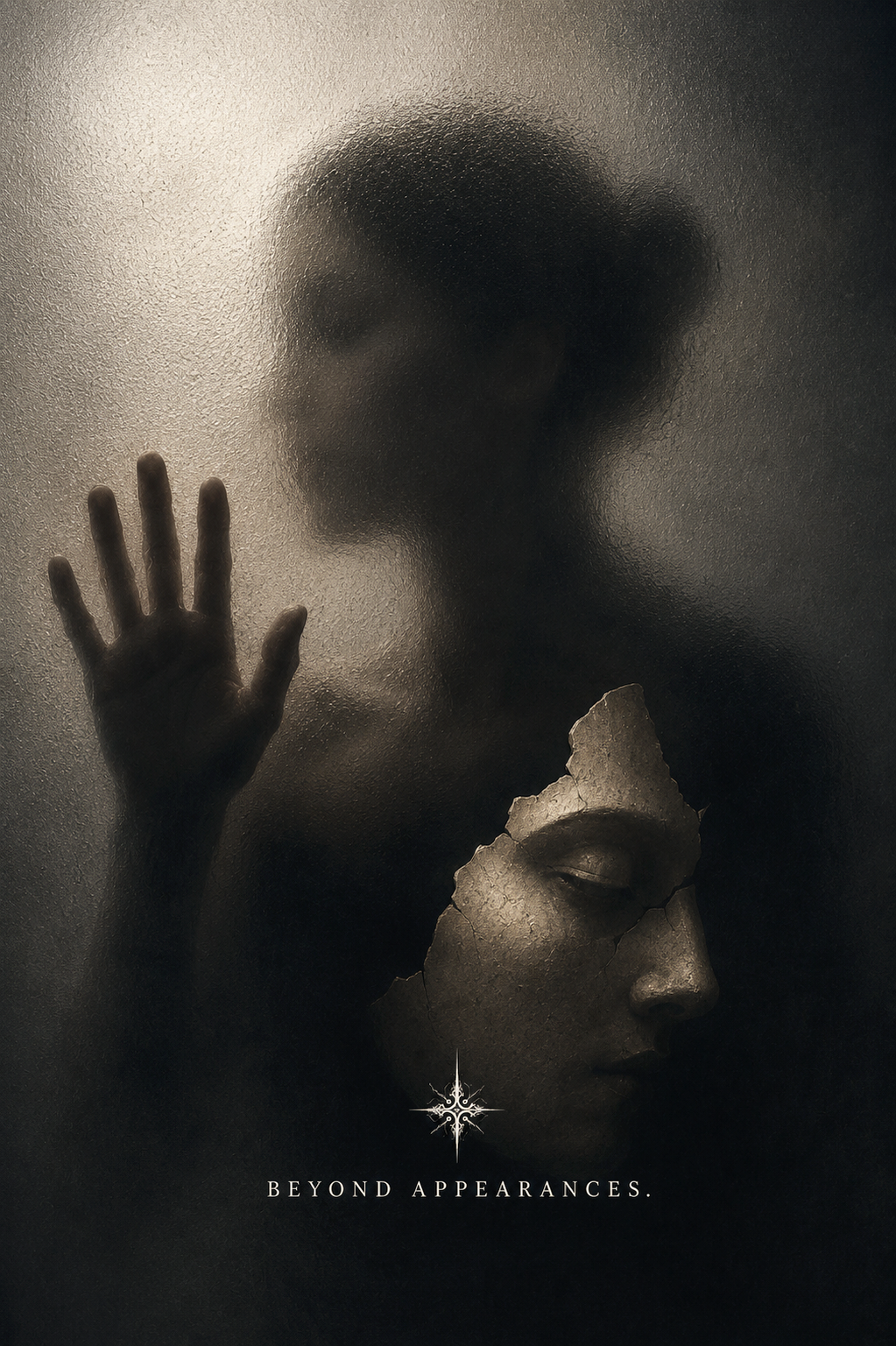
BEYOND APPEARANCES.
The studies of beauty and belief