The Art of Deception
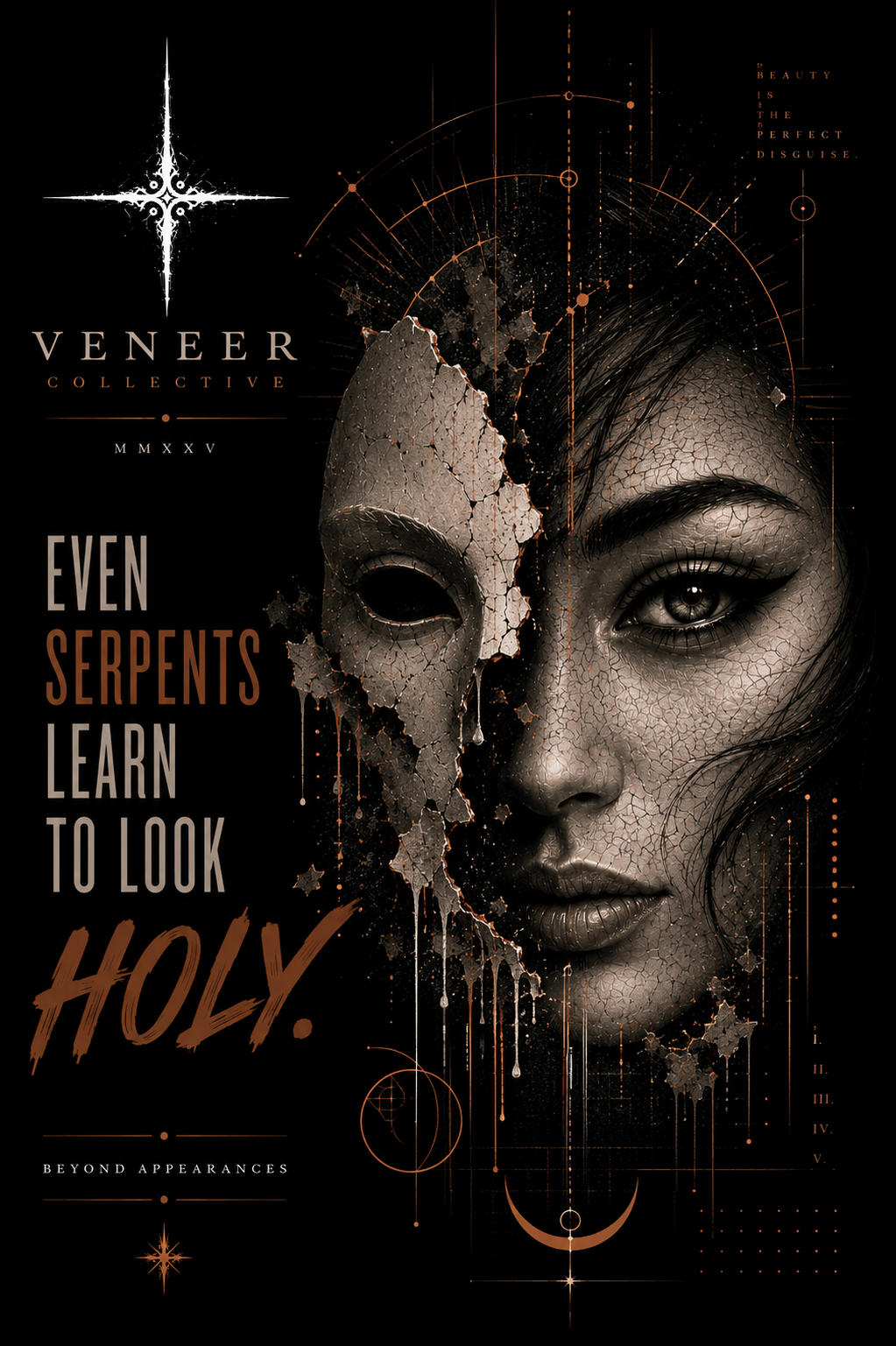
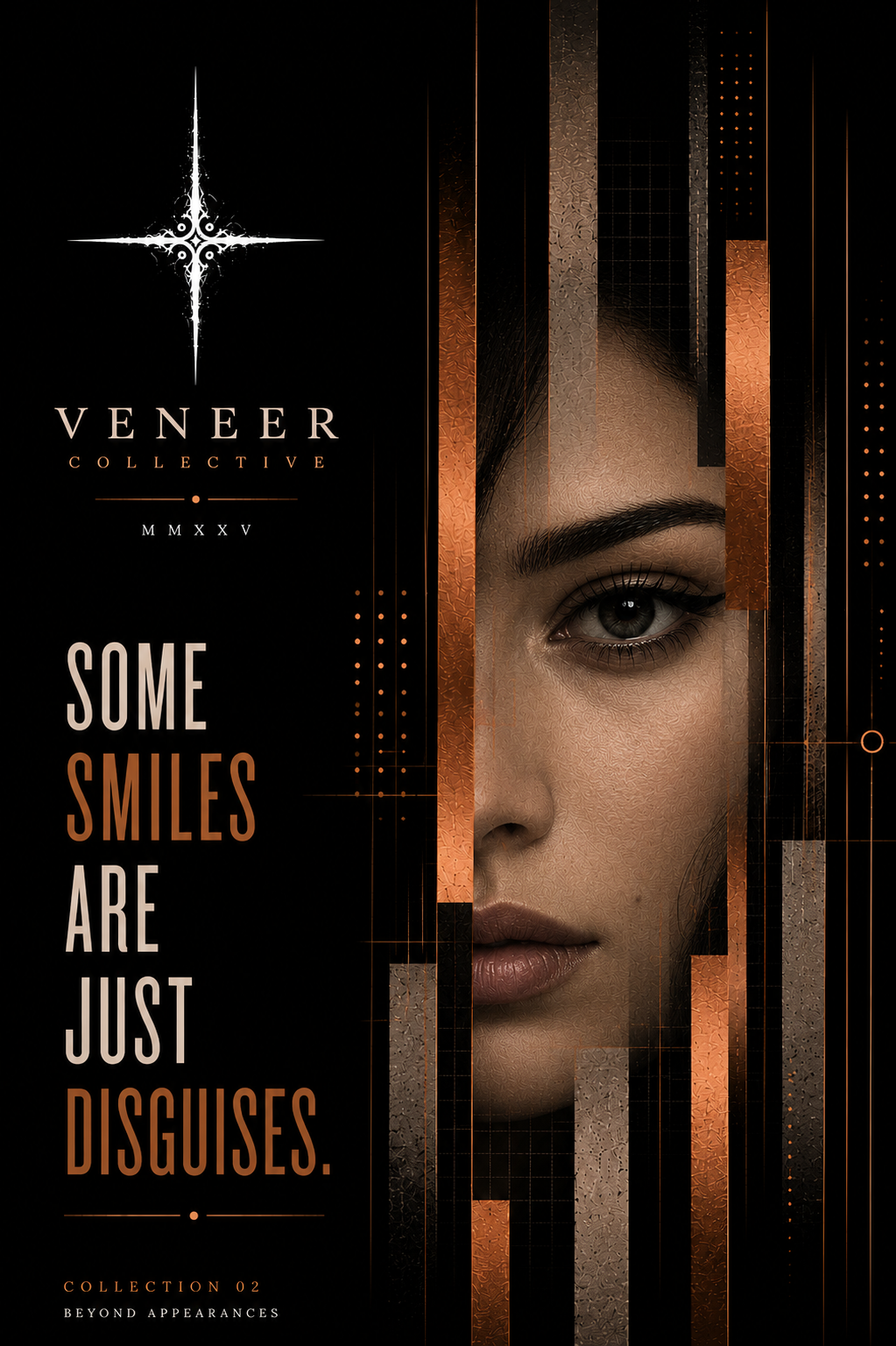
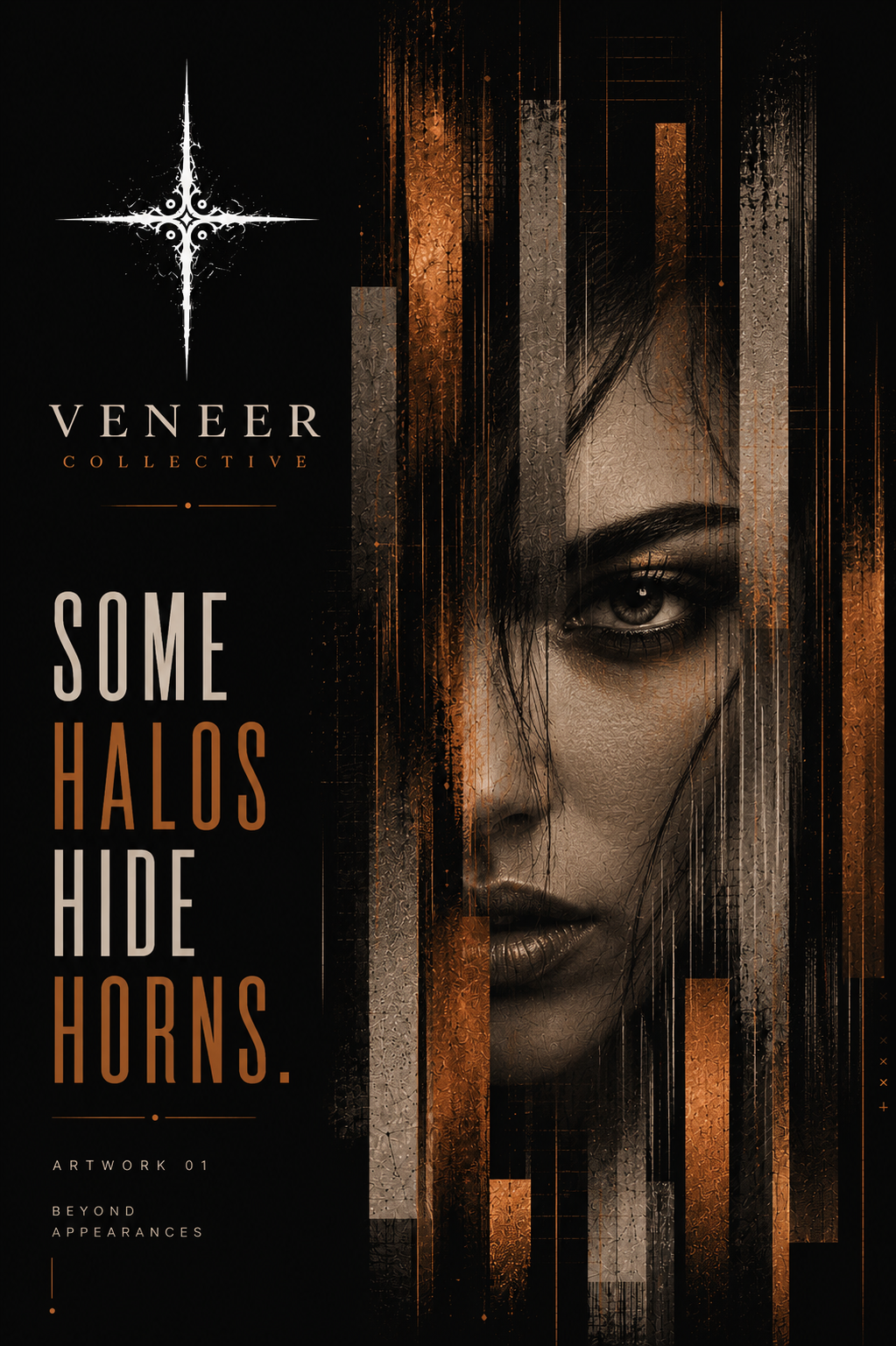
If appearances cannot be trusted... then deception becomes an art.
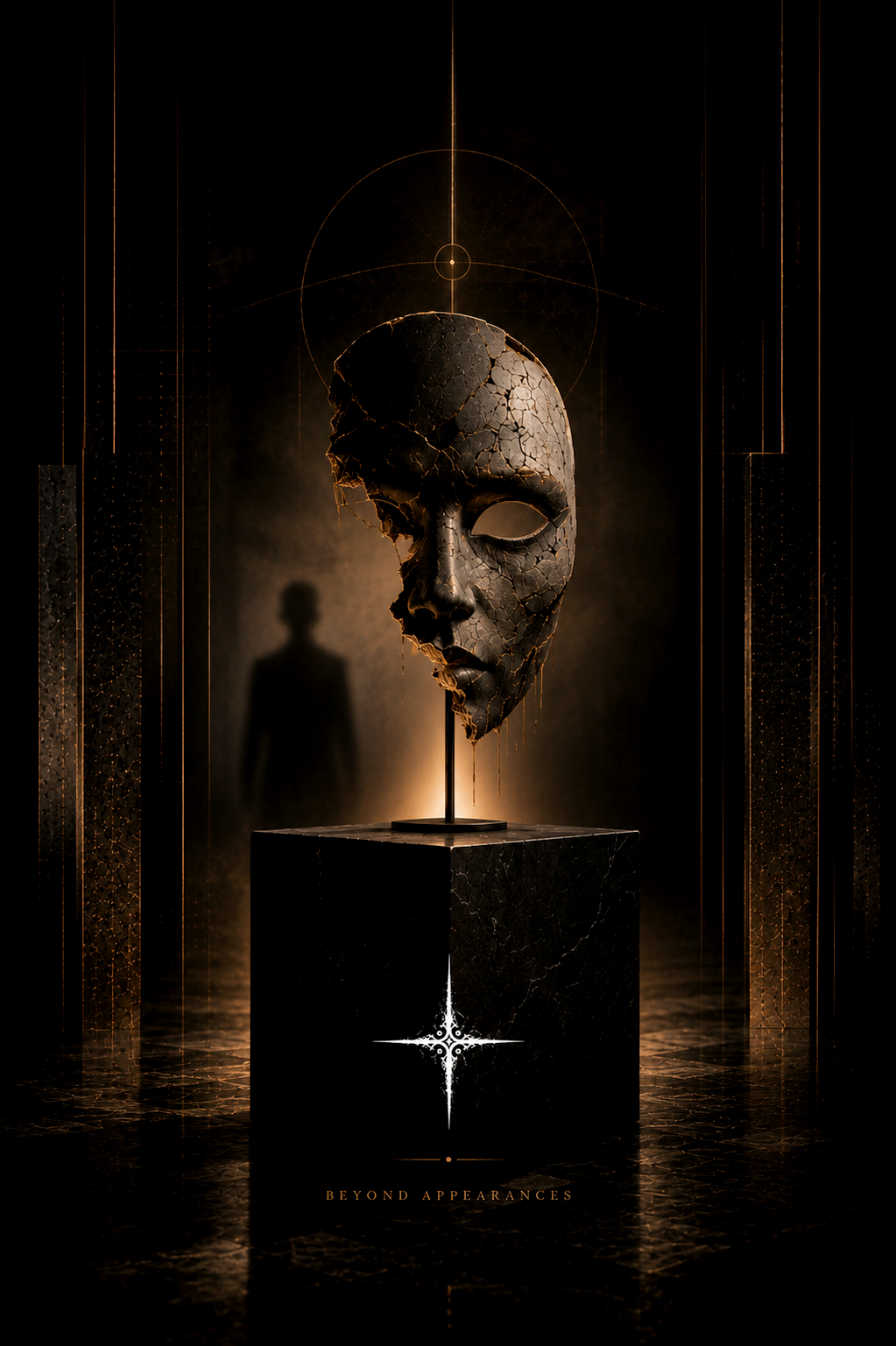
If appearance is a disguise, who creates it—and why?
Once we accept that appearances can deceive, another question follows naturally: deception does not exist on its own. Someone builds it.
Not every disguise is made of fabric. Some are made of carefully chosen words, rehearsed vulnerability, effortless charm, or borrowed symbols of goodness. The most convincing masks are rarely worn on the face; they are worn through behaviour designed to guide what others believe.
Deception succeeds because it imitates what people hope to find. Trust, loyalty, kindness, innocence—each can become part of a performance. The lie becomes powerful not because it is hidden, but because it feels familiar.
The Art of Deception explores this uncomfortable truth. A person can perform compassion without empathy, loyalty without commitment, and confidence without integrity. Over time, even the performer may begin to believe the role they have created.
But every performance has limits. Pressure, temptation, responsibility, and time expose what appearances cannot protect. Eventually the mask weakens, and intention becomes visible.
This chapter is a reminder that virtue cannot be borrowed, and that genuine character is measured by consistency rather than presentation. The strongest disguise is not the one that hides reality—it is the one that convinces us we no longer need to question it.
BEYOND APPEARANCES.